

- Home
- Geosynthetics
- Geogrid for-soil-reinforcement-and-stabilisation
Geogrid Solutions by Novura High-Performance Systems for Soil Reinforcement and Stabilisation
Geogrids are essential components in civil, geotechnical, and environmental engineering. Novura offers a comprehensive portfolio of high-performance geogrid systems that provide reliable, long-term reinforcement for a wide range of applications – including roads, railways, embankments, slopes, landfills and working platforms.
Novura geogrids improve soil bearing capacity, control deformation, reduce differential settlement, and increase the service life of infrastructure projects. With decades of experience and global reference projects, Novura is your partner in sustainable ground engineering.
Novura Geogrid Systems – Our Product Range
Secugrid® Monolithic Geogrid for Base Reinforcement
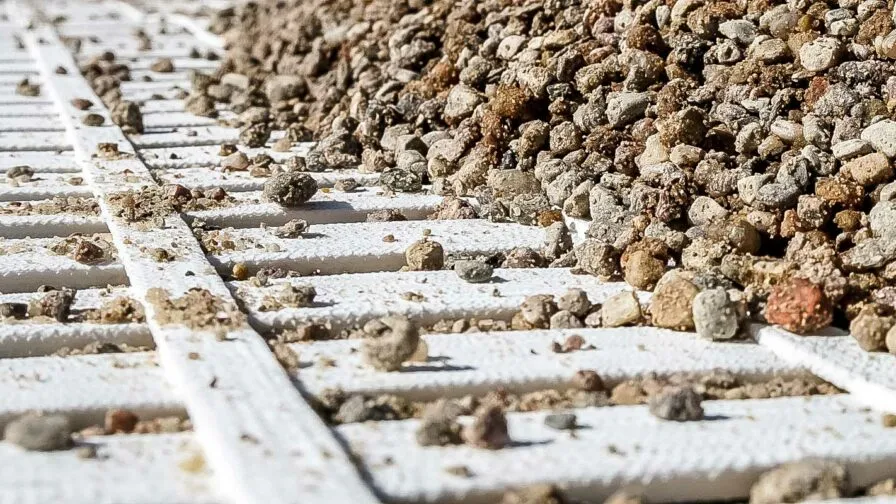
Advantages:
- Immediate load transfer to subgrade
- Reduces thickness of unbound layers
- Excellent interlock and friction
- Durable, quick to install
- Chemically and biologically resistant
Combigrid® Geogrid with Integrated Filtration and Separation
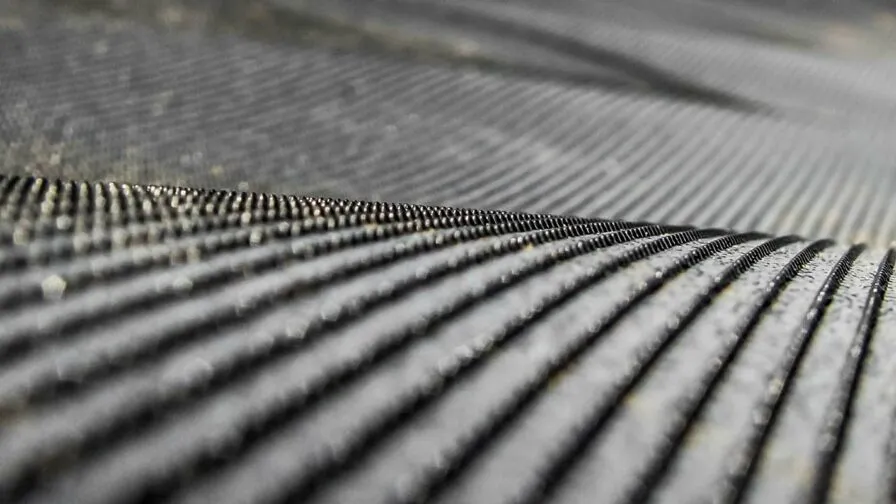
Advantages:
- Ideal for weak, fine-grained or contaminated soils
- Saves time and material during installation
- Controls particle migration
- Improves bearing capacity in soft subgrades
- Combines three functions in one product
Secugrid® HS High-Tensile Strength for Extreme Loads
Advantages:
- Tensile strength up to 800 kN/m
- Long-term creep resistance
- UV and chemical stability
- Excellent interface friction
- Ideal for permanent structures
Secugrid® m3 secures reinforced slopes and retaining walls
Advantages:
- High tensile stiffness at low strain for immediate load transfer
- Rigid, welded structure ensures strong interlock with granular materials
- Designed for stabilising unbound layers on weak or variable subsoil
- Reduces required base thickness and shortens construction time
- Ideal for roads, working platforms and heavy-duty traffic areas
Sustainable and Economic Benefits of Geogrids
- Prepare the subsoil by removing vegetation and compressible layers
- Use the correct overlap (usually 30–50 cm) between geogrid panels
- Avoid wrinkles or folds during placement
- Use clean, angular granular fill
- Compact each layer to the required density
- Follow project-specific installation drawings
Installation Considerations and Best Practices
- Reduces aggregate consumption by up to 50%
- Decreases transport and material costs
- Shortens construction time
- Lowers carbon footprint through thinner layers and fewer resources
- Extends service life, reducing future maintenance
FAQ
Geogrids are engineered geosynthetics primarily used for the stabilisation and reinforcement of soils. They are made from polymer materials such as polypropylene or polyester and feature a grid-like structure that provides high tensile strength and stiffness.
Novura’s geogrids, such as the Secugrid® range, are designed to increase the load-bearing capacity and strength of soils by distributing loads evenly and reducing soil deformation. These properties make them ideal for applications in road construction, railway construction, dam and dike construction, as well as for general soil stabilisation and erosion control.
In addition to their mechanical performance, Novura geogrids offer significant advantages in terms of installation efficiency and durability. Their high resistance to chemical and biological degradation, combined with excellent long-term creep behaviour, ensures a reliable and maintenance-free solution for decades. Moreover, their ease of handling and quick installation help reduce construction time and costs, making them a sustainable and economical choice for infrastructure and geotechnical projects.
This Novura Products are utilised in a wide range of construction and infrastructure projects, including:
- Road and pavement construction
- Railway trackbed stabilisation
- Embankments, dams and dykes
- Ground improvement and foundation support
- Erosion control
- Industrial and heavy-duty storage yards
- High tensile stiffness and low creep deformation
- Chemical and biological resistance
- Quick and simple installation
- Reduction of required fill material, such as aggregate
- Improved bearing capacity and service life of structures
- Uniaxial geogrids provide reinforcement in one direction only, making them suitable for applications such as retaining structures.
- Biaxial geogrids offer tensile strength in two directions, ideal for subgrade stabilisation under roadways and foundations.
Geogrids are typically laid flat over a prepared subgrade with a defined overlap, and without tension. The fill material is then placed and compacted over the grid. Detailed installation instructions can be obtained from Naue’s engineering support or technical documentation.
Nevora are primarily composed of:
- Polypropylene (PP) – known for high stiffness and chemical resistance
- Polyester (PET) – offers excellent long-term tensile strength and dimensional stability
- Polyethylene (PE) – used as a protective coating in specific products like Secugrid® HS
Novura geogrids comply with national and international quality and testing standards and are certified by recognised bodies such as the BBA approval from the British Board of Agrément, testing according to ASTM standards by the American Society for Testing and Materials, the CE marking in accordance with the European Construction Products Regulation via the European Commission, specific product evaluations by the BAM – Federal Institute for Materials Research and Testing, and compliance with international standards set by the ISO – International Organization forf Standardization.
Commitment to Quality and Sustainability in Geotechnics
Novura combines quality and sustainability with technical innovation. Our geogrids meet the highest industry standards and enhance performance and durability while supporting environmentally friendly construction practices.
We provide bespoke solutions tailored to the specific needs of geotechnical engineers, civil engineers, and planners. From the planning stage to implementation, we offer our expertise in selecting the optimal geogrid for your project.
The Role of Geogrids in Geotechnics and Construction
Novura Geogrids play an essential role in modern geotechnics and construction. Made from a network of polymers, they are employed in various sectors such as road construction, slope stabilisation, and foundation engineering. Their primary function is to stabilise soft or unstable substrates and reinforce the subgrade.
By locking the fill material within their structure, Novura geogrids improve load distribution, reduce settlements, and increase the soil’s load-bearing capacity. They effectively contribute to erosion control and the prevention of soil slippage. Utilising geogrids can avoid costly soil replacement works and shorten construction times, making them a cost-efficient and environmentally friendly alternative in the contemporary construction industry